Have you ever wondered what truly makes a policy successful, or how everyday voices can actually shape the decisions that impact our communities and lives?
It’s a question I’ve found myself pondering more and more lately, especially as we navigate an increasingly complex world. It feels like just yesterday that “public opinion” was something largely measured through traditional polls, but oh, how times have changed!
We’re living through an incredible shift, where the art of policy analysis is merging beautifully with innovative ways to truly listen to people, creating outcomes that are not just effective but genuinely representative.
I’ve seen firsthand how exciting it can be when governments and organizations step beyond old-school methods and truly embrace citizen participation. It’s no longer just about casting a ballot; it’s about dynamic, ongoing conversations.
Think about the rise of “citizen science,” where people like you and me are contributing real data to shape environmental regulations or public health initiatives, turning passive citizens into active contributors.
Or the powerful impact of online platforms that make it easier than ever for our ideas to reach policymakers directly. These aren’t just feel-good stories; they’re shining examples of how engaged communities lead to more robust, more accepted policies, fostering trust and ensuring our collective future is built on solid ground.
This evolution in how we gather and act on public sentiment is not just a trend; it’s the future of effective governance. I am absolutely thrilled to delve deeper into this.
Let’s explore this further and uncover some truly inspiring stories!
What an exciting time to be alive, right? The way we interact with our governments and shape our communities is evolving at warp speed, and it’s truly something special to witness.
From what I’ve been seeing and experiencing, it’s not just about a few loud voices anymore; it’s about creating systems where *everyone* has a genuine opportunity to contribute.
I’ve always believed that the best solutions come from diverse perspectives, and it’s thrilling to see that belief gain real traction in the world of policy.
Let’s really dig into how we’re moving beyond old-school methods and building a future where our collective intelligence drives better decisions.
Igniting the Spark: Empowering Everyday Voices in Policy

It’s so easy to feel like our individual opinions don’t really count, especially when faced with the sheer scale of government. But let me tell you, that narrative is rapidly becoming outdated.
What I’ve observed firsthand is a powerful movement towards truly empowering citizens, moving beyond just casting a ballot every few years. Governments and organizations are realizing that they hold immense untapped potential in the collective wisdom of their communities.
This isn’t just a feel-good notion; it’s a pragmatic shift. When policies are crafted with direct input from the people they affect, they become more robust, more accepted, and ultimately, more effective.
Think about it: who knows the local park’s needs better than the families who use it daily, or the challenges of public transport better than the commuters themselves?
This approach, often termed “participatory governance,” is gaining traction because it genuinely improves policy quality and responsiveness, fostering a deeper sense of ownership and trust between the public and their institutions.
It’s about shifting from a top-down monologue to a genuine dialogue, where feedback loops are not just mechanisms but opportunities for continuous improvement and innovation.
From Passive Consumers to Active Creators of Policy
It wasn’t that long ago that “public input” often meant a formal public meeting where a few brave souls aired their grievances. Now, it’s a whole new ball game!
We’re seeing a fantastic transformation where citizens are becoming active co-creators of policy, not just passive recipients. This shift is happening through innovative tools and processes that make it easier for diverse voices to be heard.
I’ve personally been fascinated by the rise of “ideation stations” and digital suggestion boxes that allow anyone to submit and even vote on ideas, turning a once-daunting process into an accessible, engaging activity.
It’s like a community-wide brainstorming session that never really closes! This continuous feedback loop means that policies can evolve in real-time, adapting to genuine needs and avoiding costly mistakes that might arise from insulated decision-making.
This deeper level of engagement cultivates not just better policy but a stronger sense of community and shared responsibility.
Building Bridges: Trust and Transparency Through Engagement
Let’s be honest, trust in government has seen its ups and downs. But what I’ve consistently found is that transparency and genuine engagement are powerful antidotes to cynicism.
When I see governments actively soliciting input and, crucially, *showing* how that input influences decisions, it builds a bridge of trust that traditional methods often couldn’t.
Platforms that allow citizens to track voting records, review government spending, or see the progress of local projects directly cultivate accountability.
It makes sense, doesn’t it? If I can see that my suggestion for a bike lane or a community garden was heard and incorporated, even partially, I’m far more likely to feel invested and continue participating.
This isn’t just about good governance; it’s about nurturing an engaged citizenry that believes their voice truly matters, leading to more resilient and harmonious communities.
Embracing the Digital Town Square: E-Democracy in Action
The digital age has completely rewritten the rulebook for citizen engagement. Honestly, it feels like every other day there’s a new platform or tool emerging that makes it easier for us to have our say, and I’m here for it!
We’re moving beyond the limitations of geography and rigid schedules, opening up participation to so many more people. E-democracy, or digital democracy, is essentially leveraging information and communication technologies (ICT) to enhance democratic processes and civic engagement.
This isn’t about replacing face-to-face interaction entirely—those human connections are still so important—but rather about supplementing traditional methods with incredibly powerful digital tools.
I’ve personally seen how online voting, discussion forums, and interactive polling applications have transformed civic engagement, making it easier for citizens to participate in elections, voice opinions, and influence decisions at every level of government.
It’s a game-changer for accessibility, breaking down barriers for those who might struggle to attend a physical town hall meeting, whether due to work, family commitments, or mobility issues.
Online Platforms: A Catalyst for Collective Intelligence
I’ve always believed that great ideas can come from anywhere, and digital platforms are proving this point beautifully in the realm of policy. Think about online consultation tools; they’ve become incredible catalysts for gathering diverse feedback on everything from urban planning to environmental regulations.
I mean, who would have thought that a simple online survey could lead to such rich, nuanced input? These platforms enable two-way communication, allowing us to express our opinions and offer suggestions in a way that’s trackable and digestible for policymakers.
It’s not just about collecting data; it’s about harnessing the collective intelligence of thousands, even millions, of citizens. This open innovation model, where external sources collaborate with internal teams, leads to more user-centered and effective solutions, ensuring policies are genuinely aligned with public needs and aspirations.
Social Media’s Surprising Role in Shaping Policy
When I first think of social media, I admit, my mind often jumps to personal updates and funny memes. But I’ve been so impressed by its evolving role in shaping public policy.
It’s no longer just a place for casual chats; it’s become a powerful tool for public awareness campaigns, real-time updates from government, and direct engagement with policymakers.
I’ve personally seen how a well-crafted online campaign can bring critical issues to the forefront, galvanizing public support and even pressuring officials to act.
Social media amplifies public opinion, creating a visible and undeniable force that legislators often can’t ignore. It gives citizens, especially younger generations, a powerful voice and a direct line to influence political discourse and boost voter turnout.
Of course, it’s a double-edged sword, and misinformation is a real challenge, but the potential for fostering genuine civic engagement is undeniable.
Citizen Science: When Everyday Enthusiasts Become Policy Shapers
This is an area that absolutely lights me up! The idea of “citizen science”—where ordinary people contribute real data to scientific research and, in turn, influence policy—is nothing short of revolutionary.
It’s a testament to the power of collective effort and a shining example of how engaged communities can directly impact environmental regulations and public health initiatives.
I’ve seen some truly inspiring projects where passionate individuals, often driven by local concerns, collect vital information that government agencies simply wouldn’t have the resources to gather on their own.
This isn’t just about data collection; it’s about empowering communities to become stewards of their own environments, contributing meaningfully to issues that directly affect their lives.
Monitoring Our World: The Eyes and Ears of the Community
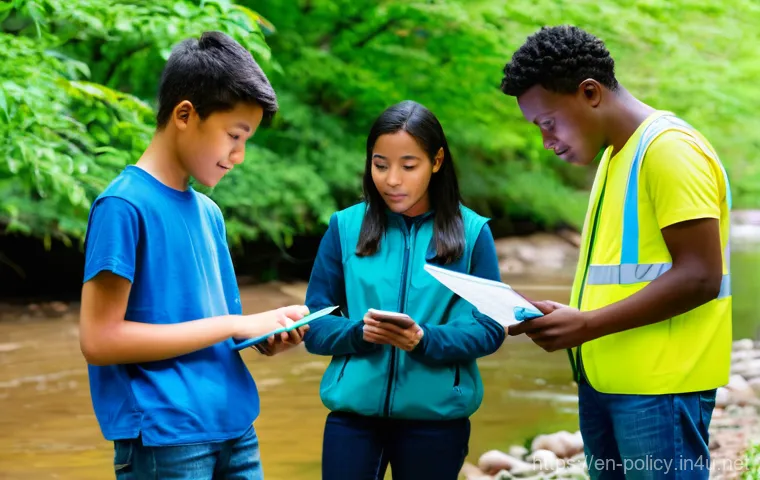
Imagine a neighborhood noticing an unusual spike in air pollution, or a group of dedicated volunteers tracking water quality in a local river. This isn’t just anecdotal evidence; with the right tools and training, citizen scientists can generate scientifically robust data that fills critical gaps in our understanding of environmental conditions.
I’ve found that this direct involvement fosters an incredible sense of responsibility and ownership. People are much more invested in protecting what they’ve personally measured and monitored.
These community-generated insights can then be used to identify pollution hotspots, monitor trends, and even call authorities’ attention to activities that require enforcement action.
It moves beyond abstract policies to tangible, localized action, driven by the people on the ground.
Shaping Environmental Policy, One Data Point at a Time
The impact of citizen science on policy outcomes is becoming increasingly evident. I’ve seen instances where citizen-collected data has directly contributed to the creation of new regulatory standards, informed zoning applications, and even spurred investigations into environmental harms.
For example, consumer-grade air quality sensors, while perhaps not having the precision of federal monitors, offer ubiquitous coverage that can detect pollution trends and generate public awareness, driving the demand for impactful solutions.
This bottom-up approach to data collection provides policymakers with a richer, more granular understanding of complex issues, allowing them to craft more targeted and effective environmental policies.
It’s not always easy, and ensuring data quality is crucial, but the potential for a more informed and responsive governance is immense.
The Art of Co-Creation: Designing Policies Together
Have you ever felt like a policy was designed in a vacuum, completely detached from the realities on the ground? I certainly have! That’s why the concept of “co-creation” in policymaking is so exciting to me.
It’s a truly collaborative approach where governments, citizens, and even businesses work together from the very beginning to design solutions. This isn’t just about gathering feedback; it’s about a fundamental shift in how policies are conceived, developed, and implemented.
It recognizes that everyone brings valuable insights to the table—lived experiences, professional expertise, and diverse perspectives—and that by weaving these together, we can create outcomes that are not just effective but also deeply resonate with the communities they serve.
Bringing Diverse Stakeholders to the Table
The beauty of co-creation, from what I’ve witnessed, lies in its ability to bring truly diverse stakeholders together. It means actively seeking out voices that might traditionally be marginalized or overlooked.
I’ve seen initiatives where community groups, local businesses, academic experts, and government officials sit side-by-side, sharing ideas and challenges.
This isn’t always easy; it requires a willingness to listen, to compromise, and to truly value every contribution. But the results? Policies that are far more comprehensive, innovative, and sustainable.
For instance, in areas like urban planning or public health, co-creation workshops can lead to solutions that are perfectly tailored to local needs because they were literally designed by the people who live and breathe those issues every day.
It’s about building a collective vision.
The Value Proposition of Collaborative Policy Design
When we talk about policy, it’s easy to get caught up in the technicalities, but co-creation brings the human element right to the forefront. I’ve noticed that when people are involved in designing a policy, they’re not only more likely to support it but also more willing to help implement it.
This translates into increased public acceptance and compliance, which is invaluable. Beyond that, co-creation often leads to more innovative solutions.
A McKinsey study even found that products developed with direct customer involvement are 20% more likely to succeed in the market, and I believe the same principle applies to public policy.
It reduces development risks, builds deeper relationships, and ultimately, fosters a more responsive and effective governance model. It’s a win-win for everyone involved!
Navigating the Evolving Landscape: Challenges and Opportunities
While all this progress is incredibly exciting, I’d be remiss if I didn’t acknowledge that this evolving landscape of policy analysis and citizen participation isn’t without its hurdles.
It’s like building a new path while simultaneously walking on it – there are always new challenges to navigate. We’re talking about fundamental shifts in how governments operate, how information flows, and even how we, as citizens, perceive our role.
From what I’ve observed, some of the biggest challenges revolve around ensuring inclusivity, managing the sheer volume of information, and, crucially, making sure that genuine citizen input actually translates into tangible policy changes.
It requires constant adaptation, a willingness to learn from mistakes, and an unwavering commitment to the principles of transparency and equity.
Bridging the Digital Divide and Ensuring Inclusivity
As much as I rave about digital tools for participation, I’m also keenly aware of the “digital divide.” Not everyone has equal access to the internet or the digital literacy needed to engage effectively with online platforms.
I’ve often wondered, how do we make sure that the voices of those without consistent internet access, or those who prefer traditional methods, aren’t left out of these crucial conversations?
This is a challenge that demands thoughtful, multi-pronged strategies. It means continuing to offer traditional channels like town hall meetings, but also actively seeking out and supporting community-led initiatives that bridge these gaps.
We need to remember that inclusivity isn’t just about providing a platform; it’s about making sure everyone feels heard and valued, regardless of their technological comfort level.
After all, a truly representative policy needs truly representative input.
From Input to Impact: Ensuring Policy Responsiveness
This is probably the biggest question mark I hear from people: “My input was heard, but did it actually *do* anything?” It’s a valid concern, and one that policymakers absolutely need to address head-on.
There’s a real danger of “tokenistic participation,” where citizens are consulted, but their input merely legitimizes pre-determined decisions rather than genuinely influencing policy direction.
I’ve personally felt that frustration when I’ve poured my energy into a consultation only to see little to no discernible impact. The key here, from my perspective, is creating robust feedback loops where government agencies clearly communicate *how* citizen input influenced decisions.
This transparency is non-negotiable for building and maintaining trust. When citizens see their contributions leading to concrete outcomes, it not only validates their efforts but also encourages continued, meaningful engagement.
It transforms input from a mere suggestion into a vital ingredient for effective governance.
The Economic Upside of Engaged Governance
It might sound a bit dry to talk about economics and policy, but trust me, there’s a powerful and often underestimated link between robust citizen participation and real economic benefits.
I’ve always been a believer that when people feel invested in their communities, good things happen, and that absolutely extends to the financial health of an area.
What I’ve seen is that effective citizen engagement doesn’t just lead to better policies; it also drives efficiency, fosters innovation, and ultimately, creates more sustainable and resilient local economies.
It’s not just a “nice to have” – it’s a strategic imperative for thriving societies, leading to a kind of collective value creation that’s hard to replicate otherwise.
Streamlining Services and Boosting Efficiency
Think about it this way: who better to identify inefficiencies in public services than the people who use them every single day? I’ve witnessed firsthand how citizen feedback can pinpoint bureaucratic hurdles or areas where resources are being misallocated.
When governments genuinely listen to these insights, they can streamline administrative processes, cut unnecessary costs, and deliver services that are truly responsive to community needs.
For instance, if citizens consistently highlight issues with a particular public transport route, addressing it based on their feedback can lead to more efficient ridership and better resource allocation.
This direct citizen input can lead to more technically efficient use of resources and better allocative efficiency by aligning public services with actual public preferences.
It’s not about cutting corners, but about working smarter, and often, the public has the best ideas for how to do that.
Fostering Innovation and Local Economic Growth
Here’s where it gets really exciting: engaged governance can be a huge driver of local innovation and economic growth. When citizens are empowered to contribute ideas, whether through participatory budgeting or collaborative problem-solving platforms, it unleashes a wave of creativity.
I’ve seen communities propose innovative solutions for everything from affordable housing to local infrastructure projects that might never have emerged from traditional bureaucratic channels.
This collaborative approach fosters a sense of ownership and encourages creativity, leveraging the collective intelligence of the community to tackle big challenges.
It can even stimulate social entrepreneurship by providing funding and support for projects that address social issues, thereby creating jobs and meeting community needs.
Ultimately, by involving people in decision-making, we create more sustainable outcomes that are tailored to local contexts, leading to more resilient and vibrant economies.
Cultivating a Culture of Continuous Engagement
The journey toward more participatory and responsive governance isn’t a destination; it’s a continuous process, a dynamic conversation that evolves with our communities.
What I’ve come to understand deeply is that fostering a culture of continuous engagement isn’t just about implementing new tools or setting up platforms; it’s about a fundamental shift in mindset – both within governmental institutions and among citizens.
It requires consistent effort, a willingness to adapt, and a genuine commitment to the idea that collective wisdom makes us all stronger. It’s about embedding participation into the very DNA of how we govern, transforming it from an occasional event into an everyday reality.
Building Capacity for Meaningful Participation
I often hear people say they want to get involved but aren’t sure how, or they feel their voice won’t be taken seriously. That’s where capacity building comes in.
For true participatory governance to flourish, we need to empower both citizens and government officials with the skills and understanding necessary for meaningful engagement.
This means educational initiatives that explain policy processes, training on how to effectively articulate concerns, and resources that help interpret complex information.
I’ve seen some fantastic “Citizens Academies” where people learn about their city government’s operations firsthand, gaining a deeper appreciation for public resources and capacities.
It’s about demystifying the process and giving everyone the confidence to step up. When we invest in civic education, we empower citizens to make sound decisions and truly understand their roles in the governance system.
Measuring Impact and Sustaining Momentum
Perhaps one of the trickiest, yet most vital, aspects of cultivating continuous engagement is effectively measuring its impact. It’s not enough to just collect feedback; we need to understand if that feedback is genuinely leading to better outcomes and strengthening trust.
I’ve found that transparent reporting mechanisms, where governments show how citizen input has been used and what changes have resulted, are absolutely crucial for sustaining momentum.
This isn’t just about accountability; it’s about celebrating successes, learning from what didn’t work, and demonstrating that participation isn’t a fleeting trend, but a powerful, evolving force.
By continuously evaluating and adapting our approaches, we can ensure that this incredible evolution in public participation continues to grow, flourish, and shape a future where every voice truly counts.
Wrapping Things Up
Well, friends, wasn’t that a deep dive into the incredible evolution of how we, the people, are shaping our governments and communities? I genuinely hope you’re feeling as inspired as I am about the power we hold when we choose to engage. It’s truly a transformative time, moving us closer to a future where policies aren’t just handed down, but are actively co-created with the very people they impact. From the digital town squares to the fascinating world of citizen science, it’s clear that our collective voice is growing stronger and more influential every single day. Let’s keep this momentum going and continue building a more responsive, transparent, and truly democratic world together. Remember, your voice isn’t just a whisper; it’s a vital part of the chorus!
Useful Info You’ll Want to Keep Handy
1.
Finding Your Local Engagement Opportunities
So, you’re ready to jump in and make a difference, but where do you even start? My best advice is to begin locally. Check your city or county council websites – they almost always have sections dedicated to public consultations, upcoming meetings, and even citizen advisory boards looking for volunteers. Many municipalities now have dedicated digital platforms for civic engagement, allowing you to easily submit ideas or provide feedback on proposed policies from the comfort of your own home. Don’t forget local community centers, libraries, and neighborhood associations; they’re often hubs for grassroots initiatives and can connect you with current projects that genuinely need your input. I’ve found that even following your local elected officials on social media can give you a heads-up on opportunities to voice your opinion on issues you care deeply about. It’s all about finding those open doors and stepping through them!
2.
Tips for Effective Online Participation
Engaging online is fantastic, but it’s an art form in itself! To make your voice truly count, try to be clear, concise, and constructive. Instead of just stating an opinion, explain *why* you hold that view and, if possible, offer potential solutions. Remember, policymakers are often swamped with information, so well-reasoned arguments stand out. Always maintain a respectful tone, even if you disagree strongly with others; a productive dialogue is far more impactful than a heated debate. Before you post, do a quick fact-check. Sharing accurate information builds your credibility and ensures your contributions are taken seriously. I’ve personally seen how a thoughtful, well-articulated comment can spark genuine discussion and lead to real consideration from decision-makers, making all the difference.
3.
The Power of Starting Small and Local
It’s easy to feel overwhelmed by national or international policy debates, but trust me, some of the most profound changes start right in our own backyards. Getting involved in local initiatives—whether it’s advocating for a new park, improving public transport, or supporting a community garden project—offers immediate, tangible results. You get to see the direct impact of your efforts, which is incredibly motivating! These smaller-scale engagements also provide invaluable experience in understanding how policy is formed, how to collaborate with diverse groups, and how to effectively present your case. This builds confidence and provides a springboard for larger engagement down the line. I’ve always felt that if you can make a positive difference in your own community, you’re building the foundation for a better world.
4.
Verifying Information in a Digital Age
In our fast-paced digital world, sorting through information can feel like a maze. When engaging with policy discussions, especially online, it’s absolutely crucial to ensure the information you’re relying on is credible. Always look for multiple, reputable sources. Government websites, established news organizations (with a track record of journalistic integrity), and academic research are generally good starting points. Be wary of sensational headlines or posts that lack supporting evidence. Understanding the source’s potential biases is also important. My rule of thumb is: if something sounds too good (or too bad) to be true, it probably warrants a deeper look. Taking this extra step not only makes you a more informed participant but also helps combat the spread of misinformation, strengthening the integrity of our collective dialogue.
5.
The Long-Term Benefits of Sustained Engagement
You might think, “Does my single comment really matter?” And the answer, wholeheartedly, is YES! Sustained engagement is like building a muscle – the more you exercise it, the stronger it becomes, both individually and collectively. Beyond the direct policy outcomes, consistent participation fosters a deeper sense of community, builds trust between citizens and institutions, and cultivates a more informed and active populace. It’s an investment in the health and vibrancy of our societies. For me, the satisfaction of knowing I’ve contributed to a positive change, however small, is immeasurable. It’s about being an active shapers of our shared future, not just passive observers. Keep showing up, keep speaking out, and watch the incredible impact unfold!
Key Takeaways
Ultimately, this journey into policy analysis and citizen participation reveals a powerful truth: our collective voice is an indispensable force. We’re moving beyond traditional methods, embracing digital tools, and fostering genuine co-creation to build more responsive and effective governance. From local community initiatives to the broader digital town square, active engagement not only strengthens our democracy but also drives economic efficiency and fosters incredible innovation. It’s about empowering every individual, bridging divides, and ensuring that our input truly translates into tangible, positive impact for the long haul. The future of governance is collaborative, and we are all part of its exciting evolution.
Frequently Asked Questions (FAQ) 📖
Q: How has “public opinion” truly evolved beyond traditional polls, and why does this shift matter so much for our communities?
A: Oh, this is such a fantastic question, and one I think about all the time! For years, public opinion was largely captured through formal surveys, phone calls, and maybe the occasional town hall meeting, right?
While those still have their place, the game has totally changed. We’re now seeing an explosion of dynamic, continuous engagement thanks to digital platforms and innovative approaches.
Think about social media, for instance – it’s not just for sharing cat videos anymore! It’s a real-time barometer of public sentiment, allowing for immediate feedback and discussions that simply weren’t possible before.
People can connect directly with policymakers, share their stories, and highlight issues that might otherwise go unnoticed. Beyond that, there’s the rise of “citizen science,” which is seriously cool.
This is where everyday folks like you and me contribute actual data to scientific research, influencing everything from environmental regulations to public health initiatives.
We’re moving from passive recipients to active contributors, and honestly, it matters because it makes policy far more responsive, representative, and, ultimately, effective.
When decision-makers have a richer, more nuanced understanding of what real people are experiencing and thinking, they can craft policies that genuinely address our needs, not just what they think our needs are.
It also builds so much more trust between citizens and institutions, which is invaluable in our often-divided world.
Q: What are some tangible, real-world examples of how everyday citizens are actively shaping policy today?
A: This is where it gets really inspiring! I’ve seen so many incredible examples, and it truly makes me believe in the power of collective action. One of my favorite categories is definitely citizen science.
Imagine people monitoring local air quality with affordable sensors, collecting data that reveals pollution hotspots missed by official monitors. In some cases, this citizen-generated data has directly led local authorities to revise traffic and emissions policies.
Or consider riverwatch programs where community groups track water quality and species presence, providing long-term data crucial for water management strategies.
During the COVID-19 pandemic, platforms allowing citizens to report symptoms and transmission patterns helped public health agencies identify hotspots and adjust responses faster than traditional methods.
Beyond science, we’re seeing participatory budgeting, where residents directly decide how public funds are allocated for local projects – how cool is that?
For example, in some cities, involving residents in planning public spaces has led to designs that perfectly reflect community needs, like creating pedestrian-friendly areas by limiting car traffic.
And let’s not forget the sheer amplification power of online petitions, grassroots campaigns, and digital advocacy groups that can rally thousands, even millions, of voices to push for legislative changes or protest unpopular decisions.
These aren’t just isolated incidents; they’re shining examples of how engaged communities are literally writing the future, one policy at a time.
Q: What are the biggest benefits we see when communities truly engage with policymakers, and why is this so crucial for our collective future?
A: When communities and policymakers genuinely connect, it’s like magic happens. Seriously! From my perspective, the benefits are multi-layered and incredibly impactful.
First off, it leads to better, more equitable decisions. When a diverse range of perspectives and local insights are brought to the table, policies are more tailored to actual community needs, and they often lead to much stronger, more sustainable solutions.
It helps identify problems that might otherwise be overlooked and ensures that investments are based on people’s expressed needs. Secondly, it fosters increased trust and social cohesion.
When people feel heard and see their input reflected in decisions, they tend to trust government officials and institutions more. This trust is absolutely vital for a functioning democracy and for building strong, resilient communities.
Thirdly, it leads to greater government accountability and transparency. When citizens are actively engaged, it’s harder for governments to act without oversight, and it promotes clearer communication about policies and resource allocation.
And finally, it truly empowers citizens. It moves us beyond just casting a vote every few years to having an ongoing, meaningful say in the decisions that shape our lives.
This increased civic participation strengthens democratic principles and helps create a sense of collective ownership over our shared future. In an increasingly complex world, this kind of collaborative governance isn’t just a nice-to-have; it’s essential for navigating challenges like climate change, health emergencies, and social inequality effectively.
It’s about building a future where our collective well-being is truly at the heart of every decision.