
Navigating a career as a policy analyst can be both exciting and challenging, especially in today’s fast-evolving political and economic landscape. With new technologies and data-driven approaches shaping decision-making, staying ahead requires continuous learning and strategic career moves.
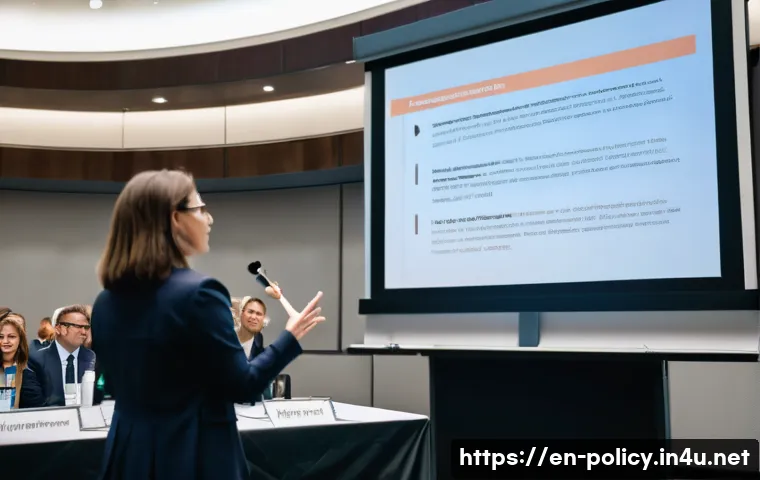
Whether you’re just starting out or aiming to climb the ladder, understanding the key skills and growth opportunities is essential. I’ve gathered insights from my own experience and industry trends to help you make informed choices.
Let’s dive into the essential advice for advancing your career as a policy analyst. I’ll walk you through everything you need to know!
Mastering Analytical Tools to Elevate Your Policy Work
Embracing Data Analytics and Visualization
Getting comfortable with data is no longer optional for policy analysts—it’s essential. When I first started, I underestimated how much digging into spreadsheets and databases would shape the quality of my recommendations.
Tools like Excel and Tableau have become my daily companions, helping me uncover patterns that aren’t obvious at first glance. For example, using pivot tables to break down demographic data can reveal trends that inform targeted policy interventions.
Visualization tools turn raw numbers into compelling stories, making it easier to communicate findings to decision-makers who may not be data-savvy. If you haven’t already, investing time in learning these can dramatically boost both your efficiency and credibility.
Leveraging Statistical Software for Deeper Insights
Diving into software like R or Stata might seem intimidating, but it’s a game changer when you want to go beyond surface-level analysis. I remember the first time I ran a regression model—it felt like unlocking a new superpower for understanding cause and effect in policy issues.
These tools allow you to test hypotheses rigorously and provide evidence that stands up to scrutiny. Plus, many organizations value analysts who can independently handle complex datasets without relying heavily on others.
Even basic proficiency can open doors to more advanced projects and responsibilities.
Integrating Qualitative Methods to Complement Numbers
Numbers tell a powerful story, but policies affect people’s lives in nuanced ways that statistics alone can’t capture. Incorporating interviews, focus groups, and case studies enriches your analysis and lends a human face to your reports.
Early in my career, I partnered with field researchers to collect qualitative data, and the insights we gained led to more balanced and actionable recommendations.
If you’re aiming for leadership roles, showcasing your ability to blend quantitative and qualitative evidence demonstrates a well-rounded approach that’s highly respected.
Building Strategic Networks Within and Beyond Your Field
Connecting with Policy Makers and Practitioners
Networking isn’t just about collecting contacts—it’s about cultivating relationships that deepen your understanding and influence. I found that attending policy forums and workshops not only expanded my circle but also gave me firsthand exposure to the real challenges decision-makers face.
Engaging in conversations with legislators or agency staff can offer insider perspectives that you won’t find in reports. These connections often lead to collaborative projects or mentorship opportunities that accelerate your career growth.
Joining Professional Associations for Growth and Visibility
Becoming active in organizations like the American Political Science Association or regional policy groups can boost your professional profile. Early on, I attended annual conferences where I presented papers and participated in panels.
This visibility not only enhanced my resume but also led to invitations to contribute to policy briefs and advisory committees. These associations also provide access to exclusive job boards, training programs, and peer support, which are invaluable for staying current and competitive.
Leveraging Online Communities and Social Media
In today’s digital age, online platforms have become powerful tools for networking and knowledge sharing. I started engaging in LinkedIn groups focused on public policy, which helped me exchange ideas with peers worldwide.
Twitter, in particular, offers a fast-paced environment to follow thought leaders and participate in policy debates. Sharing your insights and writing blog posts or articles can establish you as a thought leader and attract opportunities that might otherwise remain hidden.
Developing Effective Communication Skills to Influence Policy
Crafting Clear and Persuasive Policy Briefs
One lesson I learned the hard way is that the best analysis means nothing if it’s not communicated well. Writing concise, jargon-free briefs that highlight key findings and actionable recommendations is crucial.
Decision-makers often skim documents, so using bullet points, executive summaries, and visuals can make your work stand out. Over time, I developed a habit of tailoring messages to specific audiences—whether it’s technical experts or community stakeholders—which significantly improved the impact of my reports.
Mastering Public Speaking and Presentation
Presenting your analysis verbally can be daunting but is a skill that pays dividends. I recall my first briefing to a government committee; despite nerves, preparing with clear slides and practicing key points helped me deliver confidently.
Storytelling techniques—like framing data within real-world implications—engage listeners and make your message memorable. Regularly seeking opportunities to speak at meetings or conferences sharpens this skill and boosts your visibility.
Engaging Stakeholders Through Dialogue and Negotiation
Policy work often involves balancing competing interests. Being able to listen actively and negotiate compromises is essential for building consensus.
Early in my career, I participated in stakeholder workshops where I learned to navigate differing viewpoints constructively. Showing empathy and understanding others’ priorities fosters trust and can lead to more sustainable policy solutions.
These interpersonal skills complement your analytical expertise and are highly valued in leadership roles.
Expanding Your Knowledge Through Continuous Learning
Keeping Up with Policy Trends and Research
The policy landscape evolves rapidly, influenced by political shifts, economic changes, and technological advances. I make it a point to read journals, government reports, and think tank publications regularly.
Subscribing to newsletters and podcasts focused on your policy area helps you stay informed without feeling overwhelmed. This habit enables you to anticipate emerging issues and propose forward-thinking solutions, which sets you apart as a proactive analyst.
Pursuing Advanced Education and Certifications
Depending on your career goals, additional qualifications can enhance your expertise and marketability. I pursued a master’s degree in public policy, which deepened my theoretical understanding and expanded my network.
Certifications in data analysis or project management also add value, especially when transitioning into specialized roles. Investing in education signals commitment and can open doors to higher-level positions or consultancy work.

Learning from Mentors and Peers
Mentorship has been a cornerstone of my professional growth. Having someone with experience to guide you through challenges and career decisions is invaluable.
I recommend seeking mentors both within your organization and outside it to gain diverse perspectives. Peer learning groups, where you share knowledge and resources, also contribute to continuous improvement and motivation.
Balancing Specialization and Versatility for Career Flexibility
Choosing a Policy Niche Versus Broad Expertise
Some analysts thrive by specializing deeply in areas like healthcare, education, or environmental policy, while others prefer a broader approach. I found that starting with a generalist foundation helped me explore various fields before deciding to focus on economic policy.
Specialization can make you the go-to expert and command higher salaries, but versatility increases your adaptability in a shifting job market. Reflect on your interests and market demand to strike the right balance.
Developing Project Management and Leadership Skills
As you advance, managing projects and leading teams become part of your role. I gained these skills gradually by volunteering to coordinate smaller projects and later managing multi-stakeholder initiatives.
Strong organizational and interpersonal abilities ensure timely delivery and team cohesion. These competencies also prepare you for supervisory or director-level positions, broadening your career horizons.
Adapting to Changing Policy Environments
Policy priorities and funding streams can shift quickly, requiring flexibility. I recall when a sudden legislative change forced my team to pivot our focus abruptly.
Being open to new challenges, learning on the fly, and maintaining a solution-oriented mindset helped us navigate uncertainty successfully. Cultivating this adaptability makes you a valuable asset, especially in government or consulting roles where agility is key.
Understanding Career Pathways and Advancement Opportunities
Exploring Roles Across Sectors
Policy analysts find opportunities in government agencies, think tanks, nonprofits, international organizations, and the private sector. Each offers unique experiences and challenges.
For instance, government roles often involve direct policy implementation, while think tanks focus on research and advocacy. I transitioned between sectors early in my career, which broadened my perspective and skill set.
Knowing what each sector demands helps you target your applications strategically.
Recognizing Promotion Criteria and Expectations
Advancement usually depends on a mix of technical skills, leadership potential, and impact. In my experience, consistently delivering high-quality analysis, building relationships, and demonstrating initiative are key.
Some organizations have formal promotion tracks, while others are more informal, so proactively seeking feedback and setting goals with supervisors can clarify your path.
Understanding what’s valued helps you align your efforts effectively.
Considering Lateral Moves and Special Projects
Sometimes, stepping sideways into a different role or project can open unexpected doors. I took on a temporary assignment in policy communications, which enhanced my writing and public engagement skills.
These experiences enriched my profile and made me more competitive for senior roles. Embracing diverse opportunities can keep your career dynamic and fulfilling.
| Career Development Aspect | Key Actions | Benefits |
|---|---|---|
| Analytical Skills | Learn Excel, Tableau, R, qualitative methods | Better data-driven insights, credibility, project independence |
| Networking | Attend forums, join associations, engage online | Expanded opportunities, mentorship, insider knowledge |
| Communication | Write briefs, practice public speaking, negotiate | Influence decision-makers, build consensus, leadership readiness |
| Continuous Learning | Read trends, pursue education, seek mentors | Stay current, deepen expertise, career guidance |
| Career Strategy | Balance specialization/versatility, develop leadership, adapt | Flexibility, readiness for advancement, resilience |
| Career Pathways | Explore sectors, understand promotion, try lateral moves | Broader experience, clear growth path, dynamic career |
글을 마치며
Mastering the tools and skills essential for policy work is a journey that blends technical expertise with human insight. By continuously developing your analytical abilities, expanding your network, and honing communication, you position yourself to make a meaningful impact. Embracing lifelong learning and adaptability ensures you stay relevant in a dynamic field. Ultimately, these efforts empower you to influence policy effectively and advance your career with confidence.
알아두면 쓸모 있는 정보
1. Investing time in learning data analytics and visualization tools like Excel and Tableau can dramatically improve your efficiency and credibility in policy analysis.
2. Gaining proficiency in statistical software such as R or Stata opens doors to advanced research opportunities and strengthens your evidence-based recommendations.
3. Combining quantitative data with qualitative insights from interviews and focus groups leads to more balanced and actionable policy proposals.
4. Building genuine relationships with policymakers and peers through forums, associations, and online communities enhances your understanding and career prospects.
5. Developing clear communication skills—writing concise briefs, public speaking, and negotiation—is key to influencing decision-makers and leading successful initiatives.
중요 사항 정리
Effective policy work hinges on a blend of strong analytical capabilities, strategic networking, and persuasive communication. Continuously updating your knowledge through education and mentorship fosters professional growth and adaptability. Balancing specialization with versatility equips you to navigate shifting policy environments and seize diverse career opportunities. Prioritizing these areas ensures you remain a valuable contributor and leader in the evolving landscape of public policy.
Frequently Asked Questions (FAQ) 📖
Q: What are the most important skills to develop as a policy analyst to stay competitive in today’s job market?
A: From my experience, the top skills you need include strong data analysis capabilities, critical thinking, and effective communication. Employers want analysts who can interpret complex datasets and translate findings into clear, actionable recommendations.
Additionally, being proficient in tools like Excel, R, or Python for data handling is a huge plus. Don’t underestimate the power of networking and staying informed about current political and economic trends—these help you provide relevant insights that decision-makers value.
Q: How can someone new to the policy analyst field gain practical experience and build a strong portfolio?
A: When I started, internships and volunteer roles with think tanks, government agencies, or NGOs were invaluable. They gave me hands-on experience and helped me understand real-world policy challenges.
Also, working on independent research projects or contributing to policy blogs can showcase your analytical skills. Try to focus on areas that interest you most, as passion shines through in your work and can open doors to specialized roles.
Q: What are effective strategies for advancing from an entry-level policy analyst to senior or leadership positions?
A: Climbing the ladder requires more than just technical skills. I found that developing leadership qualities like project management, collaboration, and strategic thinking made a big difference.
Seek opportunities to lead smaller projects or mentor junior analysts. Building relationships with mentors who can advocate for you is crucial too. Keep learning—pursuing advanced degrees or certifications can also boost your credibility and open up higher-level positions.