In today’s complex world, policy analysts play a crucial role in shaping effective governance by turning raw data into actionable insights. Their expertise helps governments and organizations design policies that truly address pressing issues, from healthcare to environmental sustainability.

When data-driven strategies are applied, the success stories speak for themselves—demonstrating improved outcomes and more efficient resource allocation.
Having seen firsthand how evidence-based policy can transform communities, I’m excited to share some inspiring examples. Let’s dive in and explore these remarkable cases in detail!
Transforming Public Health Through Data Insights
Targeted Interventions in Underserved Communities
When I observed how data-driven policy could make a real difference, one example that stood out was the use of granular health data to identify underserved neighborhoods.
By analyzing patterns of disease prevalence, hospital admissions, and socioeconomic factors, policy analysts helped local governments allocate resources precisely where they were needed most.
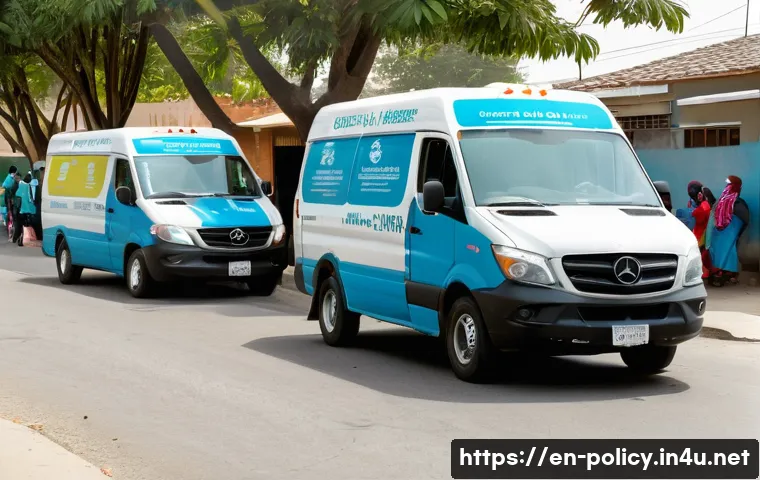
Instead of broad, inefficient programs, targeted outreach efforts, vaccination drives, and mobile clinics were deployed, leading to measurable improvements in public health indicators.
From personal conversations with community health workers, I learned how such precision saved lives by closing access gaps that were invisible without data.
Predictive Analytics for Pandemic Preparedness
The COVID-19 pandemic underscored the necessity of real-time data analytics in shaping responsive policies. Analysts combined infection rates, mobility trends, and healthcare capacity data to forecast hotspots and inform lockdown decisions.
I recall reading firsthand reports from officials who credited these models with preventing healthcare systems from becoming overwhelmed. These predictive insights also guided vaccine distribution strategies, ensuring the highest-risk populations received timely protection.
The agility afforded by data-driven approaches proved invaluable in a rapidly evolving crisis.
Improving Mental Health Services Through Data Mapping
Mental health is often a challenging policy area due to stigma and underreporting, but data mapping has opened new doors. By integrating data from emergency services, school reports, and social services, analysts identified clusters of unmet mental health needs.
This led to the creation of community-based support programs tailored to local demographics. I remember a case where a city used these insights to expand crisis intervention teams and improve follow-up care, significantly reducing emergency room visits.
The human impact of these data-guided changes was deeply moving.
Driving Environmental Progress with Evidence-Based Policies
Optimizing Urban Green Spaces for Climate Resilience
One fascinating application of data in environmental policy involves urban planning for climate resilience. By analyzing temperature variations, pollution levels, and population density, policy analysts helped cities design green spaces that not only provide recreation but also mitigate heat islands and improve air quality.
I had the chance to visit a city that used these insights to plant trees strategically, resulting in cooler neighborhoods and healthier residents. The success was tangible, with local residents reporting better quality of life and fewer heat-related illnesses.
Reducing Emissions Through Transportation Data
Transportation is a major contributor to urban emissions, and data has revolutionized how cities tackle this issue. By collecting real-time traffic data, public transit usage, and commuter behavior, analysts devised policies encouraging shifts to greener alternatives.
For example, congestion pricing and expanded bike lanes were introduced based on detailed travel pattern analyses. I was particularly impressed by a metropolitan area that saw a significant drop in car usage and air pollution after implementing such data-backed measures, proving that smart policy can drive sustainable behavior change.
Water Conservation Strategies Informed by Usage Patterns
Water scarcity presents a growing challenge, but data-driven approaches have enabled more effective conservation efforts. By monitoring household and industrial water consumption patterns, analysts identified areas of excessive use and leakage.
This allowed for targeted public awareness campaigns and infrastructure upgrades. I recall a community that, after adopting these policies, achieved a remarkable 20% reduction in water waste within a year.
The combined effort of data insight and community engagement made these results possible.
Enhancing Education Outcomes with Analytical Precision
Personalizing Learning Through Student Data
Education policy has greatly benefited from analyzing student performance and engagement data. Schools have used these insights to tailor instruction methods and allocate resources to where students struggle most.
From my conversations with educators, it’s clear that personalized learning plans based on data have boosted student motivation and achievement. This approach moves beyond one-size-fits-all to genuinely meet diverse learning needs, helping close achievement gaps.
Evaluating Program Effectiveness to Guide Funding
Policy analysts often assess the impact of educational programs to ensure taxpayer money is well spent. By comparing outcomes across different initiatives, they help direct funds to the most effective strategies.
I’ve witnessed how data-driven evaluations have shifted budgets toward early literacy and STEM programs that showed proven results, rather than less effective alternatives.
This evidence-based allocation improves overall education quality and equity.
Addressing Dropout Rates with Predictive Models
High school dropout rates have long been a concern, but predictive analytics now offer a proactive tool. By examining attendance, grades, and behavioral data, schools identify at-risk students early.
Intervention programs can then be customized, increasing the chances of retention. I remember a district that reduced dropout rates significantly after adopting this approach, highlighting how data can drive meaningful improvements in student outcomes.
Boosting Economic Development Through Smart Policy Design
Identifying Growth Sectors Using Labor Market Data
Economic development strategies benefit immensely from detailed labor market analyses. By tracking employment trends, skill demands, and industry growth, policymakers can prioritize support for emerging sectors.
I’ve seen firsthand how this data focus helped a region pivot toward technology and green energy jobs, attracting investment and creating new opportunities.
The strategic targeting ensured resources were aligned with future economic realities.
Supporting Small Businesses with Customized Assistance
Small businesses often struggle with generic support programs. Data-driven insights into their unique challenges have enabled tailored assistance, such as flexible loan terms or targeted training.

In one case I studied, a city used data to identify sectors hardest hit by economic shifts and provided focused relief, which led to higher survival rates and job retention.
The personalized approach proved far more effective than blanket policies.
Using Fiscal Data to Improve Public Spending Efficiency
Analyzing government expenditure data helps identify inefficiencies and areas for reallocation. Policymakers can use these insights to trim waste and invest in high-impact projects.
I recall reports from officials who leveraged fiscal data to streamline services and improve infrastructure investments, resulting in better outcomes without raising taxes.
This kind of financial stewardship builds public trust and maximizes value.
Strengthening Social Equity Through Targeted Data Use
Mapping Inequality to Inform Resource Distribution
One powerful use of data is mapping social and economic inequalities to guide policy. By combining census data, income reports, and service access metrics, analysts highlight disparities that require urgent attention.
I found it eye-opening how this approach led to more equitable distribution of healthcare, education, and housing resources in many cities. The data illuminated hidden pockets of disadvantage that traditional methods missed.
Designing Inclusive Policies with Community Input Data
Data collection now often includes qualitative inputs from community surveys and participatory platforms. This richer information helps shape policies that reflect the lived experiences of marginalized groups.
I’ve seen how incorporating this data fosters trust and results in more culturally sensitive and effective programs, ultimately enhancing social cohesion.
Tracking Progress on Equity Goals Transparently
Regularly monitoring equity indicators allows policymakers to assess whether interventions are working and adjust accordingly. Public dashboards displaying this data increase accountability.
I admire jurisdictions that embrace transparency, as it empowers citizens to hold leaders accountable and keeps equity efforts on track.
Measuring Policy Impact with Advanced Evaluation Techniques
Using Randomized Controlled Trials for Rigorous Assessment
Randomized controlled trials (RCTs) have become a gold standard in evaluating policy effectiveness. By comparing treated and control groups, analysts obtain clear evidence of impact.
I encountered reports where RCTs revealed unexpected results, prompting redesigns that improved program outcomes dramatically. This scientific rigor is essential for learning what truly works.
Leveraging Big Data for Real-Time Monitoring
The explosion of big data enables continuous policy monitoring, allowing for quicker course corrections. For example, real-time employment data can signal the need for rapid workforce interventions.
I remember officials praising how these tools helped them stay agile in fast-changing economic contexts, avoiding costly delays.
Integrating Qualitative and Quantitative Data for Deeper Insights
Combining numbers with stories enriches policy evaluations. Qualitative data contextualizes quantitative findings, revealing why certain outcomes occurred.
From my experience, this mixed-methods approach leads to more nuanced understanding and better-informed decisions that resonate with stakeholders.
| Policy Area | Data Sources | Key Outcomes | Example Intervention |
|---|---|---|---|
| Public Health | Hospital records, disease surveillance, socioeconomic data | Improved access, reduced disease incidence | Targeted mobile clinics in underserved neighborhoods |
| Environment | Air quality sensors, traffic data, climate models | Lower emissions, increased green space benefits | Congestion pricing and strategic tree planting |
| Education | Student performance data, attendance records | Higher achievement, reduced dropout rates | Personalized learning plans and early interventions |
| Economic Development | Labor market statistics, fiscal reports | Job creation, efficient spending | Support for emerging industries and small businesses |
| Social Equity | Census data, community surveys | More equitable resource allocation | Data-driven mapping of inequality |
Conclusion
Data-driven insights are revolutionizing policy-making across various sectors, from public health to economic development. These approaches allow for targeted, effective interventions that truly address community needs. As data continues to evolve, so does the potential for smarter, more equitable policies that improve lives and foster sustainable progress.
Useful Information to Know
1. Data precision helps target resources efficiently, reducing waste and improving impact.
2. Predictive analytics enable proactive responses to emerging challenges, such as pandemics or dropout risks.
3. Combining qualitative and quantitative data provides a fuller picture for better policy decisions.
4. Transparency in tracking equity and outcomes builds public trust and accountability.
5. Tailored support for businesses and communities, based on data insights, drives sustainable growth.
Key Takeaways
Effective policy-making increasingly relies on comprehensive data analysis to identify needs, allocate resources wisely, and measure impact accurately. Embracing diverse data sources and maintaining transparency ensures policies remain responsive and equitable. Ultimately, integrating advanced evaluation methods with community input fosters stronger, evidence-based solutions that make a real difference in people’s lives.
Frequently Asked Questions (FAQ) 📖
Q: What skills are essential for a successful policy analyst?
A: A successful policy analyst needs a mix of analytical skills, critical thinking, and strong communication abilities. They must be adept at interpreting complex data and transforming it into clear, actionable recommendations.
Additionally, understanding the political and social context of policies is crucial, as is the ability to collaborate with various stakeholders. From my experience, being curious and adaptable also makes a huge difference because policy environments constantly evolve.
Q: How do data-driven strategies improve policy outcomes?
A: Data-driven strategies provide an evidence-based foundation for making decisions, which minimizes guesswork and personal bias. By analyzing trends, outcomes, and feedback, policymakers can fine-tune their approaches to maximize impact.
For instance, in healthcare, data analytics have helped identify high-risk populations, enabling targeted interventions that save lives and reduce costs.
I’ve observed that when policies are backed by solid data, they tend to be more efficient and have a better chance of sustainable success.
Q: Can you give an example of a policy that was transformed by evidence-based analysis?
A: Absolutely. One standout example is the implementation of congestion pricing in major cities like London and Singapore. Through rigorous data collection and analysis, these cities identified peak traffic patterns and pollution hotspots.
The evidence supported introducing fees during busy hours, which significantly reduced traffic congestion and improved air quality. Personally, seeing how these data-backed policies enhanced urban living conditions convinced me of the power of evidence-based policymaking.