
In today’s fast-changing world, policy analysts play a crucial role in shaping effective solutions by combining data-driven insights with practical experience.

Experimental policies are gaining traction as innovative ways to test new ideas before full-scale implementation, helping governments minimize risks while maximizing impact.
From healthcare reforms to environmental initiatives, these approaches are reshaping how decisions are made. Understanding the intersection of policy analysis and experimental methods can unlock smarter, more adaptive governance.
Let’s dive deeper to uncover how these strategies are transforming public policy for the better!
Integrating Real-World Experience into Policy Design
Learning from Frontline Feedback
Policy analysts often emphasize the value of data, but what truly enriches policy design is incorporating insights from those directly impacted. For instance, when evaluating educational reforms, input from teachers and students reveals nuances that raw statistics might miss.
I’ve seen how gathering firsthand accounts during pilot programs exposes practical barriers—like resource shortages or administrative burdens—that could derail implementation if overlooked.
This experiential knowledge helps refine policy parameters, making them more adaptable and realistic before broader rollout.
Balancing Quantitative Analysis with Human Judgment
Numbers and models provide a strong backbone for policy decisions, yet they can’t capture every dimension of complex social issues. In my experience, blending rigorous data analysis with seasoned expert judgment creates a more balanced approach.
Analysts bring quantitative rigor, while practitioners contribute context and intuition honed by years on the ground. This synergy is especially critical in areas like public health, where statistical trends must be interpreted alongside evolving community needs and behaviors to craft effective interventions.
Iterative Feedback Loops in Policy Development
The best policies aren’t static—they evolve through continuous feedback cycles. Early-stage experiments act like test runs, offering a chance to observe real-time effects and gather stakeholder responses.
For example, a city’s trial of congestion pricing revealed unexpected shifts in commuter patterns, prompting quick adjustments in pricing tiers. Incorporating this iterative learning helps avoid costly mistakes and fosters policies that can flexibly respond to changing circumstances, ultimately enhancing their long-term success and public acceptance.
Harnessing Experimental Approaches to Reduce Uncertainty
Randomized Controlled Trials in Public Programs
Randomized controlled trials (RCTs) have become a gold standard for evaluating policy impact. By randomly assigning participants to treatment and control groups, analysts can isolate the effects of an intervention with high confidence.
I recall a welfare reform project where RCTs uncovered surprising results—some programs thought to improve employment actually had negligible effects.
These findings prompted policymakers to reconsider and redesign initiatives before scaling, saving resources and improving outcomes.
Pilot Programs as Risk Mitigation Tools
Launching new policies at full scale can be risky and expensive. Pilots allow governments to test ideas on a smaller scale, gathering evidence while limiting potential fallout.
I’ve observed how pilot initiatives in renewable energy subsidies provided vital data on consumer behavior and cost efficiency, which shaped national rollout strategies.
This staged approach not only reduces financial risk but also builds stakeholder trust, as adjustments based on pilot feedback demonstrate a commitment to responsive governance.
Adaptive Experimentation and Continuous Improvement
Unlike one-off trials, adaptive experiments allow policies to evolve dynamically based on ongoing data. This approach suits complex, rapidly changing environments where static solutions fall short.
For example, adaptive traffic management systems adjust signals in real time based on congestion data, continuously optimizing flow. In policy terms, this means embedding mechanisms for regular monitoring and recalibration, which I’ve found leads to more resilient and effective programs that remain relevant over time.
Leveraging Data Analytics to Inform Decision-Making
Big Data’s Role in Shaping Policy Insights
The explosion of big data offers unprecedented opportunities for policy analysts. Analyzing massive datasets—from social media trends to health records—enables identification of patterns that inform targeted interventions.
However, I’ve learned that data quality and ethical considerations are critical; flawed or biased data can mislead decisions. Balancing data-driven insights with domain expertise ensures policies are both evidence-based and ethically sound, fostering public confidence.
Predictive Modeling for Future Scenarios
Predictive analytics helps anticipate policy impacts before implementation. By simulating various scenarios, analysts can identify potential unintended consequences.
For instance, predictive models in urban planning forecast how zoning changes affect housing affordability and traffic congestion. My experience shows that involving multidisciplinary teams—economists, sociologists, technologists—in model development enhances accuracy and relevance, leading to more informed and balanced policy choices.
Visualizing Data to Enhance Stakeholder Engagement
Complex data can overwhelm decision-makers and the public alike. Effective visualization turns numbers into compelling stories, making information accessible and actionable.
I’ve used interactive dashboards and infographics to communicate policy trade-offs clearly, facilitating dialogue among diverse stakeholders. This transparency not only aids understanding but also promotes accountability and trust, crucial ingredients for successful policy adoption.
Fostering Cross-Sector Collaboration for Policy Innovation
Public-Private Partnerships Driving Experimental Policies
Collaborations between government agencies and private sector actors often spark innovative policy solutions. For example, partnerships with tech companies have accelerated smart city projects that rely on real-time data to improve services.
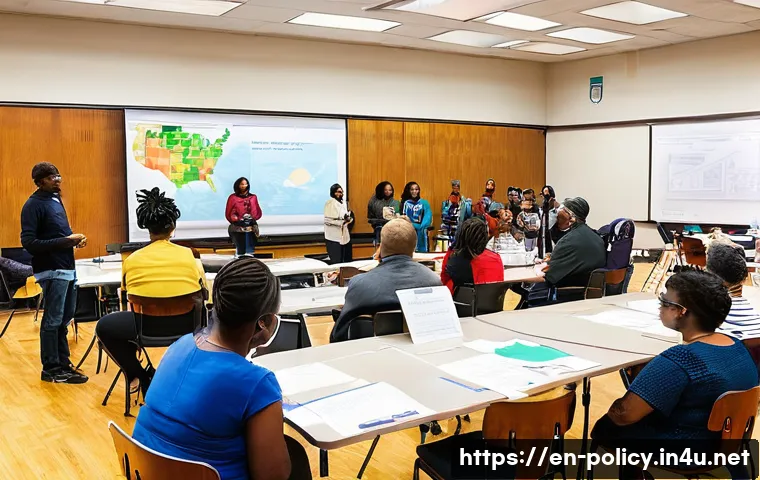
From my involvement, these alliances bring fresh perspectives and resources but require clear governance frameworks to align interests and ensure public benefit, underscoring the importance of structured collaboration.
Engaging Community Organizations in Co-Creation
Community groups offer invaluable insights and legitimacy to policy experiments. Co-creating policies with local stakeholders ensures that interventions address real needs and respect cultural contexts.
I’ve witnessed how involving neighborhood associations in housing policy pilots led to higher participation rates and more sustainable outcomes, as residents felt ownership over the process.
This grassroots involvement enriches policy relevance and effectiveness.
Interdisciplinary Teams Enhancing Problem-Solving
Complex societal challenges rarely fit neatly into one discipline. Bringing together experts from economics, sociology, data science, and law fosters comprehensive solutions.
In projects I’ve participated in, interdisciplinary teams uncovered connections and trade-offs that single-discipline groups missed. This holistic approach drives more robust policies, capable of addressing multifaceted issues with greater nuance and adaptability.
Measuring Impact and Scaling Successful Innovations
Establishing Clear Metrics for Success
Defining what success looks like is vital to evaluating experimental policies. Metrics should be specific, measurable, and aligned with policy goals. For example, a job training program might track employment rates, income growth, and participant satisfaction.
I’ve found that transparent and well-communicated metrics help maintain focus and provide a basis for honest assessment, enabling timely course corrections.
Cost-Benefit Analysis in Scaling Decisions
Scaling promising policies requires careful consideration of costs versus benefits. Beyond financial aspects, analysts must evaluate social and environmental impacts.
In one environmental policy experiment I reviewed, a thorough cost-benefit analysis revealed that initial high costs would be offset by long-term health and ecological gains, supporting a phased national rollout.
This disciplined approach ensures resources are invested wisely for maximum public good.
Learning from Failures to Drive Improvement
Not every experiment succeeds, but failures offer rich lessons. I’ve seen how candidly analyzing shortcomings—whether due to design flaws or unforeseen external factors—strengthens future initiatives.
Institutionalizing mechanisms for knowledge sharing across agencies fosters a culture of continuous improvement, reducing repetition of mistakes and accelerating innovation in public policy.
Comparing Policy Experimentation Methods and Their Applications
| Method | Description | Typical Use Cases | Advantages | Limitations |
|---|---|---|---|---|
| Randomized Controlled Trials (RCTs) | Random assignment to treatment and control groups to isolate effects | Welfare programs, education interventions | High internal validity, clear causal inference | Ethical concerns, costly, limited external validity |
| Pilot Programs | Small-scale implementation to test feasibility and impact | Urban planning, healthcare reforms | Risk mitigation, real-world insights | Limited scope, potential scale-up challenges |
| Adaptive Experiments | Ongoing adjustments based on continuous data feedback | Traffic management, environmental policies | Flexibility, responsiveness to change | Complex analysis, requires robust monitoring |
| Predictive Modeling | Simulating scenarios to forecast outcomes | Urban development, economic policy | Proactive planning, scenario exploration | Model uncertainty, data dependency |
| Co-Creation with Stakeholders | Collaborative policy design with affected groups | Community development, housing policy | Higher legitimacy, tailored solutions | Time-consuming, potential conflicts |
Conclusion
Integrating real-world experience with rigorous analysis creates policies that are not only effective but also adaptable to complex challenges. By embracing experimentation, collaboration, and continuous feedback, policymakers can design solutions that truly resonate with communities and stand the test of time. Ultimately, blending data with human insight leads to smarter, more responsive governance.
Useful Information to Keep in Mind
1. Gathering feedback directly from those affected by policies reveals practical challenges often missed by data alone.
2. Combining quantitative analysis with expert judgment ensures a well-rounded understanding of social issues.
3. Pilot programs and iterative experiments reduce risks and help refine policies before full implementation.
4. Data visualization is key to engaging stakeholders and promoting transparency in decision-making.
5. Cross-sector collaboration, especially with community groups, enhances policy relevance and innovation.
Key Takeaways
Effective policy design depends on a careful balance between empirical data and lived experience. Employing experimental methods like RCTs and pilots helps manage uncertainty, while adaptive approaches enable policies to evolve in response to new information. Successful implementation also hinges on clear metrics, cost-benefit analysis, and learning from failures. Lastly, fostering inclusive partnerships and interdisciplinary teamwork drives innovation and ensures policies meet real-world needs.
Frequently Asked Questions (FAQ) 📖
Q: What exactly are experimental policies and how do they differ from traditional policy-making?
A: Experimental policies are innovative approaches where new ideas are tested on a smaller scale or in controlled environments before being rolled out broadly.
Unlike traditional policy-making, which often relies on theory, precedent, or broad assumptions, experimental policies emphasize real-world testing and data collection to assess effectiveness and potential risks.
This method allows policymakers to learn from practical outcomes, adjust strategies accordingly, and avoid costly mistakes. From my experience, this approach brings a much-needed flexibility and responsiveness to the complex challenges governments face today.
Q: How do policy analysts use data-driven insights alongside practical experience in shaping better policies?
A: Policy analysts blend quantitative data, like statistics and trend analysis, with qualitative insights gained from real-world interactions, stakeholder feedback, and field observations.
This combination ensures that policies are not only theoretically sound but also grounded in the realities of implementation. For instance, in healthcare reform, data might show a certain intervention reduces hospital visits, but practical experience reveals patient compliance challenges.
By integrating both perspectives, analysts craft solutions that are both effective and feasible, leading to more sustainable outcomes.
Q: What benefits do governments gain by adopting experimental policy approaches?
A: Governments benefit significantly by minimizing risks and maximizing impact through experimental policies. By piloting initiatives on a smaller scale, they can identify unintended consequences early, adjust designs, and ensure resources are allocated efficiently.
This approach also fosters innovation by encouraging creative solutions without the fear of large-scale failure. From what I’ve observed, it builds greater public trust too, since communities see that policies are tested and refined based on actual results rather than guesswork.
Ultimately, this leads to smarter, more adaptive governance that can better respond to rapidly changing societal needs.