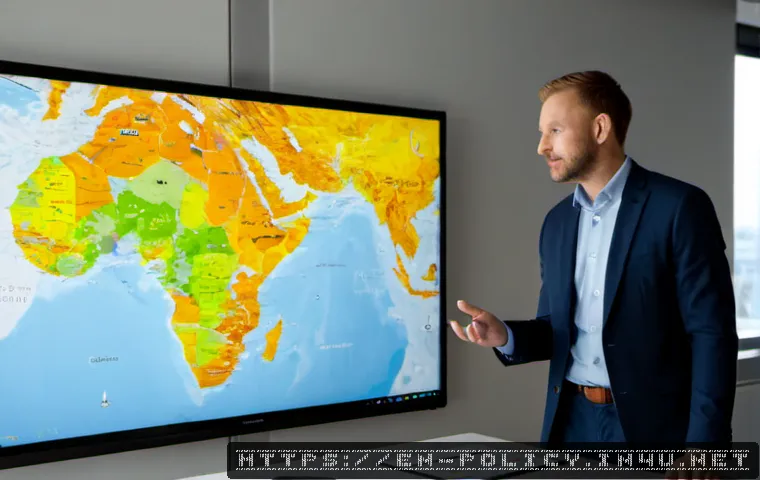
Understanding the vital role of policy analysts in shaping national strategies reveals how deeply their insights influence a country’s future. These professionals don’t just crunch numbers; they interpret complex data and forecast potential outcomes that guide decision-makers.
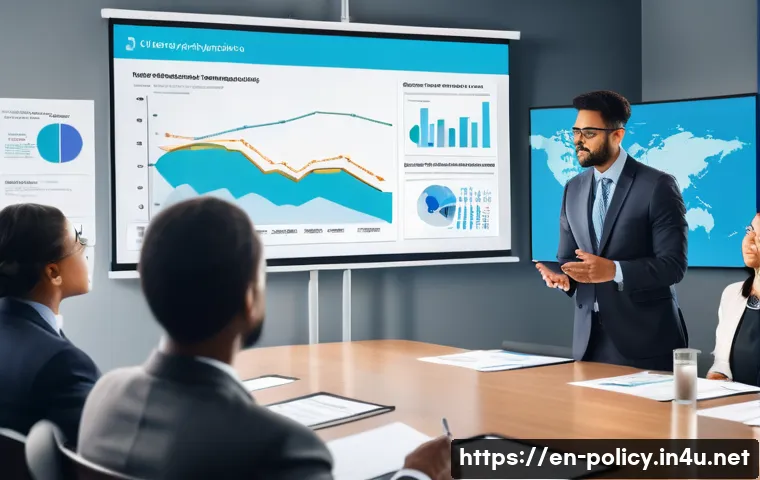
Their contributions ensure policies are not only effective but also sustainable in the long term. As global challenges evolve, the importance of strategic planning grounded in thorough analysis becomes even more critical.
Curious about how policy analysts actively shape national agendas and what it means for our world? Let’s dive in and explore the details together!
Unraveling Complex Policy Challenges
Decoding Data Beyond Numbers
Policy analysts dive deep into vast amounts of data, but their work goes far beyond simple number-crunching. They sift through statistics, reports, and trends to find meaningful patterns that aren’t immediately obvious.
From economic indicators to social behavior metrics, these professionals interpret what the numbers truly mean for real people and communities. For example, when analyzing unemployment rates, they don’t just report percentages; they explore underlying causes, regional disparities, and potential ripple effects.
This nuanced understanding allows policymakers to craft interventions that are targeted and practical rather than broad and ineffective.
Forecasting with Precision and Prudence
One of the trickiest parts of a policy analyst’s job is predicting future scenarios. They use sophisticated models and scenario planning techniques to anticipate how a policy might play out over months or years.
This foresight is invaluable because it helps governments avoid costly missteps. However, forecasting is never foolproof. Analysts must balance optimism with caution, considering best- and worst-case outcomes while factoring in unpredictable variables like political shifts or global crises.
Their ability to communicate these uncertainties clearly ensures decision-makers are well-prepared to adapt when reality diverges from expectations.
Balancing Short-Term Impact with Long-Term Goals
Effective policies need to deliver immediate results without sacrificing sustainability. Policy analysts constantly weigh the short-term benefits against potential long-term consequences.
For instance, a stimulus package might boost the economy now but could lead to budget deficits or inflation down the line. Analysts assess these trade-offs rigorously, often collaborating with experts from different fields to understand economic, social, and environmental impacts.
This holistic approach ensures policies don’t just fix today’s problems but also build resilience for the future.
Bridging Communication Between Experts and Leaders
Translating Technical Insights into Actionable Advice
One of the biggest challenges policy analysts face is making complex information accessible to non-experts. They act as translators between technical jargon and the practical language that political leaders or stakeholders can understand.
This means breaking down dense reports into clear, concise briefs that highlight the most critical points without oversimplifying. The ability to communicate effectively often determines whether a policy recommendation gains traction or gets sidelined.
Adapting Messages for Diverse Audiences
Policy recommendations rarely serve a single audience. Analysts tailor their presentations for various groups, including legislators, advocacy organizations, and the public.
Each group requires a different tone, level of detail, and focus. For example, lawmakers might need data-driven evidence to justify votes, while community groups want to understand how a policy will affect their daily lives.
Crafting these tailored communications demands empathy and insight into each audience’s priorities and concerns.
Fostering Collaborative Decision-Making
Policy analysts often function as facilitators in multi-stakeholder environments. By presenting balanced analyses and highlighting trade-offs, they encourage open dialogue among competing interests.
Their role is not just to push a single agenda but to create space where diverse voices contribute to better policy outcomes. This collaborative spirit enhances transparency and trust in government processes.
Harnessing Technology for Enhanced Policy Insights
Leveraging Big Data and AI Tools
Modern policy analysis increasingly relies on advanced technologies like big data analytics and artificial intelligence. These tools enable analysts to process information at unprecedented scales and speeds, uncovering hidden correlations and trends.
For instance, machine learning algorithms can predict economic shifts based on real-time social media sentiment or supply chain disruptions. Embracing these technologies allows analysts to offer more timely and precise recommendations.
Integrating Geographic Information Systems (GIS)
GIS technology has become a game-changer for spatial policy analysis. By mapping data geographically, analysts can visualize patterns related to population density, infrastructure, or environmental risks.
This spatial perspective helps identify where resources are most needed and how policies might differentially impact regions. For example, disaster preparedness plans can be tailored based on flood-prone areas identified through GIS mapping.
Challenges and Ethical Considerations
While technology offers tremendous advantages, it also raises ethical questions around data privacy, algorithmic bias, and transparency. Policy analysts must navigate these concerns carefully, ensuring their methods respect individual rights and avoid perpetuating inequalities.
Maintaining public trust requires clear explanations of how data is used and safeguarding against misuse.
Evaluating Policy Effectiveness and Accountability
Designing Metrics for Success
Measuring whether a policy achieves its intended outcomes is a cornerstone of effective governance. Analysts develop specific, measurable indicators that track progress over time.
These metrics might include economic growth rates, health outcomes, or educational attainment, depending on the policy’s focus. Creating meaningful benchmarks ensures that policies remain accountable to the public and can be adjusted when goals aren’t met.
Conducting Impact Assessments
Beyond metrics, analysts perform comprehensive impact assessments to understand broader consequences, including unintended side effects. For example, a new tax policy might increase government revenue but also disproportionately burden low-income households.
Identifying such issues early enables policymakers to revise or supplement measures to mitigate harm.
Promoting Transparency and Public Engagement
Regular reporting on policy outcomes builds public confidence and encourages citizen involvement. Policy analysts help design frameworks for transparent evaluation processes, often recommending open data portals or community feedback mechanisms.
Engaging the public not only enhances legitimacy but also surfaces valuable insights that can improve policy design.
Adapting to Global Trends and Emerging Issues
Responding to Climate Change and Sustainability Goals
With climate change posing urgent challenges, policy analysts are at the forefront of crafting strategies that balance economic growth with environmental stewardship.
They assess how energy policies, transportation systems, and urban planning can align with sustainability targets. This work requires integrating scientific data with socioeconomic considerations to develop practical yet ambitious approaches.
Navigating Geopolitical Shifts

Global political dynamics constantly influence national strategies. Analysts monitor international relations, trade agreements, and security threats to anticipate how external factors might impact domestic policies.
Their insights help governments remain agile and proactive in an unpredictable world.
Addressing Technological Disruption and Workforce Changes
Rapid technological advancements reshape labor markets and social structures. Policy analysts explore how automation, artificial intelligence, and digital platforms affect employment and inequality.
They recommend policies that support workforce retraining, education reform, and social safety nets to ensure inclusive growth.
Core Competencies and Skillsets of Leading Analysts
Analytical Rigor and Critical Thinking
Top policy analysts excel at dissecting complex problems into manageable components. They employ a variety of qualitative and quantitative methods to ensure their conclusions are robust and defensible.
Critical thinking enables them to challenge assumptions and consider alternative perspectives, enhancing the quality of their recommendations.
Effective Communication and Storytelling
Beyond analysis, the ability to tell a compelling story about the data and its implications sets great analysts apart. They use narratives that connect emotionally and intellectually with their audience, making abstract concepts relatable and urgent.
This storytelling skill often determines whether policies gain public support.
Collaborative and Interdisciplinary Approach
Policy issues span multiple domains, requiring analysts to work alongside economists, sociologists, environmental scientists, and legal experts. Successful analysts navigate these diverse fields smoothly, synthesizing insights into coherent policy proposals that reflect a broad understanding.
| Key Skill | Description | Practical Application |
|---|---|---|
| Data Interpretation | Extracting meaningful insights from complex datasets | Identifying trends in unemployment to recommend targeted job programs |
| Scenario Forecasting | Predicting outcomes under various conditions | Modeling impacts of tax reforms on economic growth and inequality |
| Effective Communication | Translating technical jargon into accessible language | Preparing policy briefs for legislators and community stakeholders |
| Collaborative Problem-Solving | Working across disciplines to develop comprehensive policies | Integrating environmental data with urban planning for sustainable cities |
| Ethical Data Use | Ensuring privacy and fairness in analysis | Implementing safeguards in AI-driven policy modeling |
Influencing Public Policy Through Stakeholder Engagement
Building Relationships with Government Officials
Policy analysts often serve as trusted advisors to politicians and bureaucrats, fostering relationships built on credibility and reliability. They understand the pressures elected officials face and tailor their advice to be both actionable and politically feasible.
This rapport is essential for translating analysis into actual policy changes.
Engaging Civil Society and Advocacy Groups
Involving non-governmental actors broadens the perspective on policy impacts and mobilizes support for reforms. Analysts facilitate dialogues with advocacy organizations, community leaders, and interest groups to ensure policies are inclusive and responsive.
These collaborations can also help identify unintended consequences before policies are implemented.
Utilizing Media and Public Platforms
To build public awareness and influence opinion, analysts sometimes contribute to media outlets or participate in public forums. By sharing evidence-based insights in accessible ways, they help shape the narrative around key issues, encouraging informed debate and democratic participation.
Continuous Learning and Adaptation in Policy Analysis
Keeping Abreast of Emerging Research
The policy landscape evolves rapidly, and analysts must stay updated with the latest academic studies, technological advancements, and global trends. This continuous learning ensures their recommendations reflect current knowledge and best practices.
Incorporating Feedback and Lessons Learned
Post-implementation reviews provide valuable insights into what worked and what didn’t. Skilled analysts embrace this feedback loop, refining their methods and assumptions to improve future policy development.
This iterative process is crucial for building more effective governance systems.
Developing Flexibility and Resilience
Given the uncertainties and complexities involved, policy analysts cultivate mental flexibility and resilience. They adapt quickly to changing information and political climates, maintaining a steady focus on evidence-based solutions even amidst pressure or setbacks.
This mindset is vital for sustaining long-term impact.
Concluding Thoughts
Policy analysis is a dynamic and multifaceted field that requires a blend of data expertise, clear communication, and ethical responsibility. Navigating complex challenges with foresight and collaboration helps create policies that are both effective and sustainable. As the world evolves, so too must the approaches analysts take to ensure positive, lasting impacts on society.
Useful Insights to Remember
1. Effective policy analysis goes beyond numbers—it interprets data to reveal real-world impacts and underlying causes.
2. Forecasting future scenarios requires balancing optimism with caution, always preparing for uncertainties.
3. Communicating complex ideas in simple, audience-specific language is key to gaining support and driving action.
4. Leveraging technology like AI and GIS enhances the depth and precision of policy insights.
5. Continuous learning and adaptability enable analysts to refine strategies and respond to emerging global trends.
Key Takeaways for Success
Strong policy analysis hinges on combining rigorous data interpretation with clear, empathetic communication tailored to diverse stakeholders. Embracing technological tools while maintaining ethical standards ensures transparency and fairness. Moreover, fostering collaboration and staying adaptable in a fast-changing environment are essential for crafting policies that deliver meaningful, sustainable results.
Frequently Asked Questions (FAQ) 📖
Q: What exactly does a policy analyst do to influence national strategies?
A: Policy analysts dive deep into data and trends to understand the potential impacts of various policy options. They don’t just collect numbers; they interpret complex information to forecast outcomes and risks.
By presenting clear, evidence-based insights, they help decision-makers craft strategies that are practical and sustainable. From healthcare reform to environmental regulations, their work ensures policies are shaped by solid analysis rather than guesswork.
Q: How do policy analysts handle the uncertainty of future challenges when shaping policies?
A: Uncertainty is a big part of a policy analyst’s job. They use scenario planning and risk assessment techniques to explore different possible futures. This means they consider a range of outcomes, including unexpected events, and advise on flexible strategies that can adapt over time.
I’ve seen firsthand how this approach helps governments stay prepared, especially in rapidly changing fields like technology or climate change.
Q: Why is the role of policy analysts becoming more important in today’s world?
A: The world’s problems are getting more complex—think global pandemics, economic shifts, and climate crises. Policy analysts provide the critical thinking and foresight needed to navigate these challenges.
Their ability to integrate data from multiple sources and predict long-term effects helps create policies that are not only effective now but resilient in the future.
From my experience, governments that invest in strong policy analysis tend to respond more successfully to unexpected events.