Preparing for the Policy Analyst certification exam can feel overwhelming, especially when you’re unsure about the necessary materials to bring on test day.
Having the right documents and tools ready not only reduces stress but also helps you focus better during the exam. Many candidates overlook small but essential items that can impact their performance.
Whether it’s identification, stationery, or specific forms, knowing exactly what to prepare is key to a smooth experience. If you want to avoid last-minute surprises and walk into the exam room confidently, keep reading.
Let’s dive into the details and make sure you’re fully equipped for success!
Essential Identification and Entry Requirements
Official Photo ID
When preparing for the exam, your primary focus should be on bringing an official photo identification document. Most testing centers strictly require government-issued IDs such as a driver’s license, passport, or state ID card.
It’s crucial to ensure that the name on your ID exactly matches the name you used when registering for the exam. I’ve seen candidates get turned away simply because their IDs had slight variations or outdated information.
Double-check the expiration date and make sure the ID is valid on the exam day. If you forget this, there’s no way to enter, so it’s definitely worth the extra attention.
Exam Admission Ticket and Confirmation
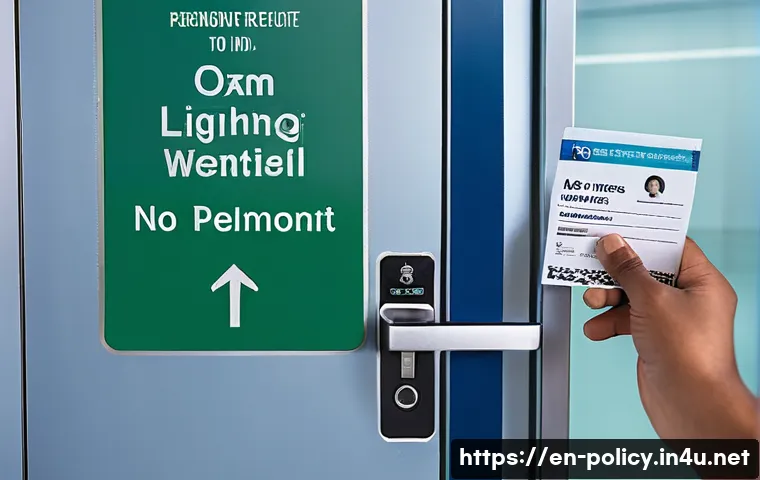
Alongside your photo ID, you should bring the exam admission ticket or confirmation email printed out. Some testing sites scan a barcode or manually verify your registration, so having a physical copy saves time and stress.
Even if you’ve saved a digital copy on your phone, I recommend printing it out as a backup because technical issues can happen. I personally print mine the night before the exam to avoid any last-minute panic.
Keep it in a secure folder or envelope to prevent any accidental damage or loss.
Special Accommodations Documentation
If you requested any special accommodations due to disabilities or medical needs, it’s essential to bring the official documentation that confirms your approved accommodations.
This documentation should be the one you submitted during your application process. Testing centers often require you to present this paperwork to grant you access to the accommodations, whether it’s extra time, a separate room, or assistive devices.
Missing this could delay your exam or even prevent you from receiving the accommodations you need. I’ve heard from candidates that carrying a copy in addition to what the center has on file can be a lifesaver.
Stationery and Supplies to Bring
Approved Writing Instruments
Most policy analyst certification exams allow only specific types of pens or pencils. Usually, you’ll be asked to bring #2 pencils and a good quality eraser.
Mechanical pencils are often not permitted, so it’s safer to stick with traditional wooden pencils. I always bring a few extra pencils because it’s easy to break a tip or lose one in the testing room.
Some candidates recommend testing your pencils beforehand to ensure the lead is smooth and dark enough for scanning. Pens, if allowed, typically must be black ink only, so double-check the exam guidelines well in advance.
Calculators and Other Tools
Depending on the exam rules, calculators may or may not be permitted. If allowed, only basic, non-programmable calculators are usually accepted. I’ve seen candidates bring fancy scientific calculators that ended up being disallowed at the door, so it’s vital to review the exam’s calculator policy.
Other items like rulers or scratch paper might be provided by the testing center, but bringing your own is often encouraged just in case. I personally prefer to bring a small notepad and a watch (without alarms or smart features) to keep track of time discreetly.
Organizational Accessories
Having a clear, zippered pouch for all your stationery helps prevent fumbling or delays during the exam. I’ve noticed that candidates who come with everything loosely packed tend to waste precious minutes sorting through their items.
Also, consider bringing a small bottle of water if allowed, as staying hydrated can improve concentration. Avoid bulky bags or backpacks, as many testing centers require you to store them outside the exam room or in lockers.
A compact, organized setup can ease anxiety and keep your focus sharp throughout the test.
Understanding the Testing Center Policies
Check-In Procedures
It’s important to familiarize yourself with the specific check-in procedures of the testing center well before your exam day. Some centers require you to arrive 30 minutes early, while others might ask for 45 minutes.
Knowing this helps you plan your commute and avoid unnecessary stress. I once arrived just on time and had to wait outside in the cold because the center wasn’t ready to check in candidates yet.
Also, keep in mind that personal belongings like cell phones, smartwatches, and notes are typically prohibited inside the testing room. You’ll likely need to leave them in a secure locker or outside the room.
Security Measures
Expect thorough security screenings similar to airport checks. Metal detectors, bag scans, and identity verification are standard. This ensures exam integrity but can be intimidating if you’re not prepared.
I recommend dressing comfortably but avoid wearing accessories like bracelets, rings, or belts with metal parts that might trigger alarms. Some centers also prohibit food and drinks, so check the policy and plan accordingly.
Knowing what to expect at security can help you stay calm and avoid surprises that could disrupt your focus.
Handling Unexpected Situations
Sometimes, no matter how prepared you are, unexpected issues arise such as a forgotten ID, delayed arrival, or technical glitches with the testing software.
If you find yourself in such a situation, stay calm and immediately notify the test administrator. From my experience, being polite and cooperative often leads to quicker resolutions.
Some testing centers have clear protocols for rescheduling or providing accommodations in case of technical problems. It’s wise to keep contact information for the test provider handy and review their policies on cancellations and rescheduling before exam day.
Important Personal Items to Have on Hand
Health and Comfort Essentials
Long exams can be physically and mentally draining, so bringing small personal comfort items can make a big difference. For example, a pack of tissues, lip balm, or a small hand sanitizer can keep you comfortable without causing distractions.
I once had a dry cough during an exam and was grateful for a small pack of cough drops I had tucked away. If you wear glasses or contact lenses, bring a backup pair or solution to avoid discomfort or vision problems during the test.
Snacks and Hydration
While many testing centers restrict food and drinks inside the exam room, you can usually bring snacks and water to consume during breaks. I recommend packing light, non-messy snacks like granola bars, nuts, or fruit slices.
Staying nourished helps maintain energy and focus, especially if the exam is several hours long. Be sure to check the testing center’s policies ahead of time to avoid bringing prohibited items.
Time Management Tools
A simple, non-smart wristwatch can be invaluable for keeping track of time without needing to rely on the test center’s clock. Some candidates prefer using a silent timer app on their phones, but phones are typically not allowed during the test, so that’s not an option for everyone.
I personally find a classic analog watch helps me pace myself without distractions. If the center provides a clock, it’s still good to have your own backup to stay on track with breaks and pacing.
Summary of Must-Bring Items for Exam Day
| Category | Items | Notes |
|---|---|---|
| Identification | Government-issued photo ID (driver’s license, passport) | Name must match registration, valid and unexpired |
| Exam Documents | Admission ticket or confirmation printout | Print a physical copy even if you have a digital version |
| Stationery | #2 pencils, erasers, basic calculator (if allowed) | Bring extras; check exam rules for allowed tools |
| Personal Comfort | Tissues, lip balm, backup glasses/contact supplies | Small items for comfort, avoid distractions |
| Time Management | Analog watch | No smart features or alarms |
| Special Accommodations | Approved documentation | Bring original and a copy to avoid delays |
Tips for Final Exam Day Preparation
Pack Your Bag the Night Before
Avoid the last-minute scramble by organizing everything you need the evening before the exam. Lay out your ID, stationery, admission ticket, and any other essentials in one place.
I usually double-check my list twice before going to bed to make sure nothing is missing. This simple habit has saved me from unnecessary stress more than once.
Plan Your Route and Arrival Time
Map out your route to the testing center and consider traffic, parking, or public transportation schedules. Aim to arrive at least 30 minutes early to complete check-in without rushing.
On exam day, I always leave extra early because unexpected delays like road construction or transit issues can throw off your timing.
Get a Good Night’s Sleep and Stay Calm
Finally, remember that your physical and mental state can greatly impact your exam performance. Getting enough rest the night before and eating a balanced meal in the morning helps keep your focus sharp.
Deep breathing or light stretching can also ease nerves before the test begins. From my experience, a calm and well-prepared mindset is just as important as knowing the material.
In Conclusion
Preparing thoroughly for exam day is key to a smooth and successful experience. By bringing the right identification, stationery, and personal essentials, you eliminate unnecessary stress and distractions. Familiarizing yourself with testing center policies and planning ahead ensures you stay focused and confident. Remember, a calm mindset combined with practical preparation can make all the difference. Best of luck on your exam journey!
Useful Tips to Keep in Mind
1. Double-check that your government-issued ID matches your registration exactly to avoid entry issues.
2. Always print a physical copy of your exam admission ticket as a backup to digital versions.
3. Bring extra #2 pencils and an approved calculator if allowed, to avoid interruptions during the test.
4. Pack personal comfort items like tissues and backup glasses to stay at ease throughout the exam.
5. Plan your route ahead of time and arrive early to handle check-in calmly and avoid last-minute stress.
Key Takeaways for Exam Day Success
Ensure your identification and exam documents are current and easily accessible. Stick to approved stationery and tools, and prepare any special accommodation paperwork in advance. Familiarize yourself with testing center procedures, including security checks and prohibited items, to avoid surprises. Prioritize your health and comfort by bringing small essentials and managing your time wisely. Finally, maintain a calm and confident attitude, as mental readiness is just as important as knowing the material.
Frequently Asked Questions (FAQ) 📖
Q: What identification do I need to bring to the Policy
A: nalyst certification exam? A1: You must bring a valid, government-issued photo ID such as a driver’s license, passport, or state ID card. The name on your ID must exactly match the name you used to register for the exam.
Without proper identification, you may be denied entry, so double-check this well before test day to avoid any last-minute issues.
Q: Are there any specific stationery items allowed or recommended during the exam?
A: Typically, you’re allowed to bring a few essential stationery items like pens, pencils, and an eraser. Mechanical pencils and highlighters are usually not permitted, but this can vary by testing center.
I found it helpful to bring a couple of extra pens just in case one runs out of ink, and having a clean, simple calculator is sometimes allowed if specified.
Always review the official guidelines to confirm what’s acceptable to bring.
Q: Do I need to bring any special forms or documents besides my ID?
A: Most exam centers require only your ID and your admission ticket or confirmation email. However, some may ask you to bring additional forms, such as a signed confidentiality agreement or proof of eligibility if applicable.
It’s a good idea to print out and bring any emails or documents you received during registration just to be safe. Preparing these ahead of time helps you feel more in control and reduces stress on exam day.